
Creativity in the Name of Social Innovation: Embrace Global Receives Social & Economic Innovations Award
When an idea meets a passion for social innovation, a little creativity can save a life… or millions. The latest reminder came from the co-founders at Embrace Global (Jane Chen, Rahul Panicker, Naganand Murty and Linus Liang) who were recently named winners of the 2013 Social & Economic Innovations

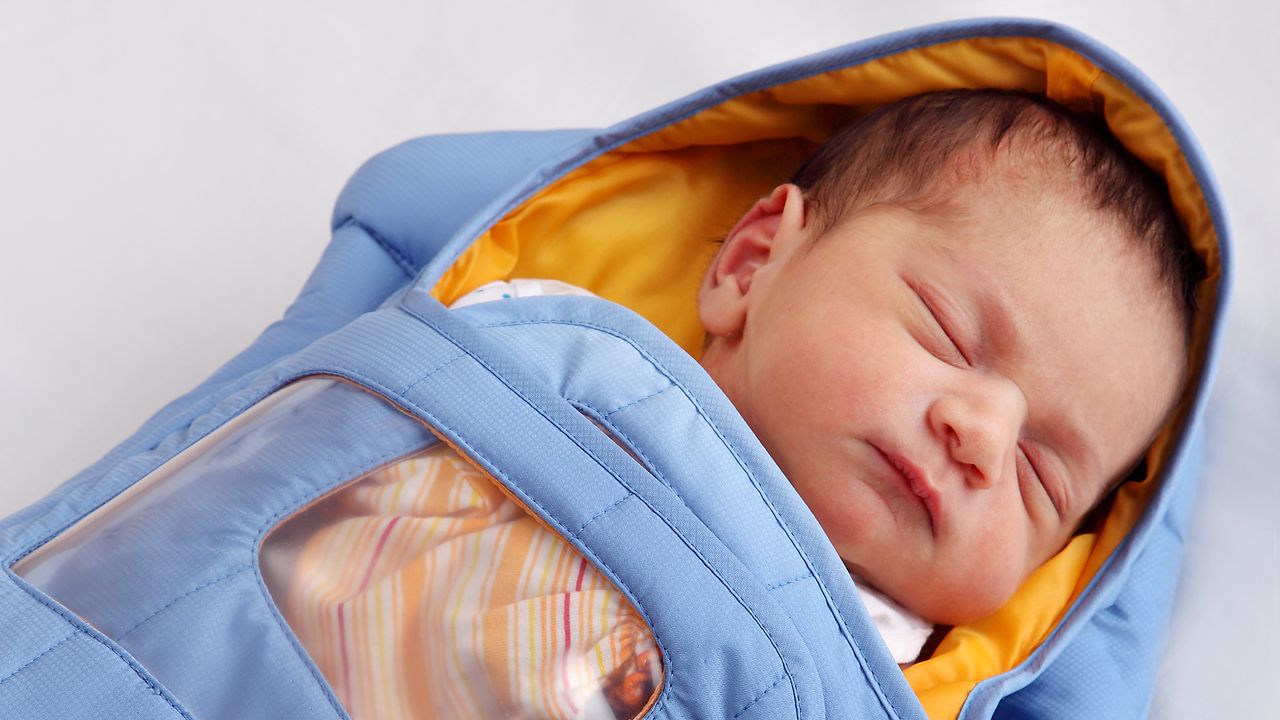
When an idea meets a passion for social innovation, a little creativity can save a life… or millions. The latest reminder came from the co-founders at Embrace Global (Jane Chen, Rahul Panicker, Naganand Murty and Linus Liang) who were recently named winners of the 2013 Social & Economic Innovations Award from The Economist.
Jane Chen, Embrace Global's co-founder and CEO, cited these statistics in a 2009 TED Talk:
- 20 million babies are born prematurely or with low birth weight annually;
- 4 million of them die; and
- those who survive frequently have significant and life-long medical and cognitive issues.
Without enough body fat, premature infants are unable to regulate their own body temperature and may even battle hypothermia. Warmth is necessary for survival and proper development. Babies born in remote areas with little funds and poor technology are most susceptible.
I'm inspired by an emerging trend in start-ups … ideas that are focused on social innovation.
Phil McKinney
Chen and her team believed that if they could just keep premature and low-birth-weight babies warm, they would prevent much of these complications. They needed incubators. But incubators were expensive (up to $20,000 for just one) and required electricity. Considering the unique needs of the families they met in remote villages, they knew the solution must be:
- inexpensive,
- portable,
- simple to operate,
- easily sterilized,
- reusable,
- and would work without electricity.
Using wax-like phase change materials and a sleeping bag and pouch design, they created a portable incubator. When heated in boiling water, the phase change materials melt, are tucked into the sleeping bag's pouch and are able to maintain proper body heat for up to 6 hours.
The warmer was launched first in India in 2010 for $25 per warmer.
The design of the company's structure has also been creative. In 2012, Embrace developed into two branches. Embrace, the non-profit arm of the organization, uses philanthropic donations to provide warmers to babies in need. Embrace Innovations, the for-profit branch, sells the warmers to clinics that can afford them. Operating in concert, the two branches sustain the overall mission to improve child and maternal health in remote regions.
I'm inspired by a promising trend in new start-ups … ideas coupled with a passion for social innovation. Imagine the difference we can make.
To stay updated on the latest thinking on innovation and creativity, click here to subscribe to my newsletter.