
Game Changing Inventions from our Kids
Our collective future is based on our kids being ready to compete in the creative economy. Looking for some inspiration? Here are a few game-changing inventions that all started with kids asking themselves “why not“. Jake Evill, of the United Kingdom, at twenty-one years old has invented a new lig

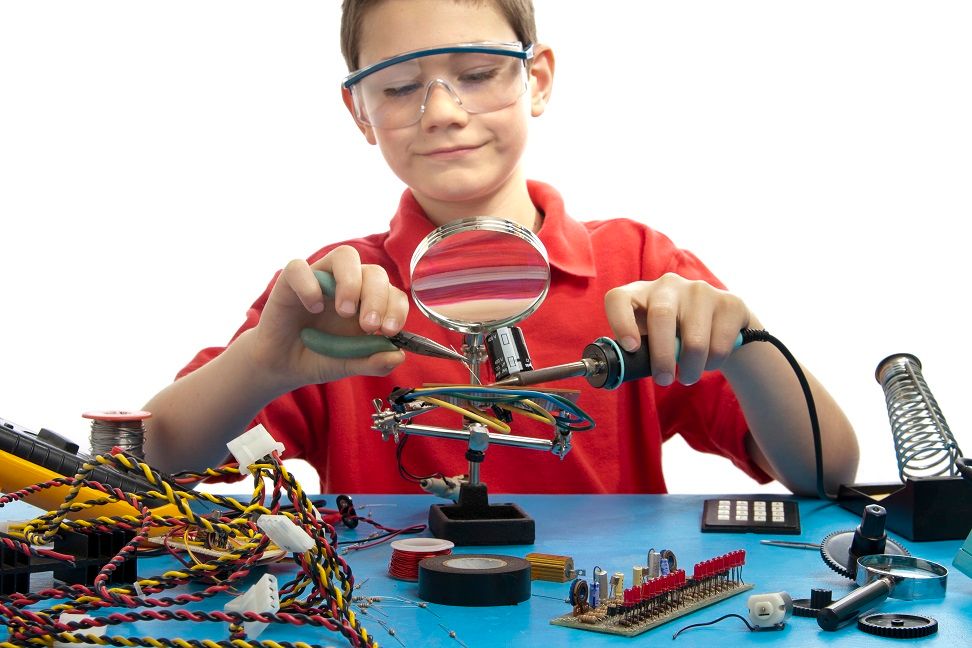
Our collective future is based on our kids being ready to compete in the creative economy. Looking for some inspiration? Here are a few game-changing inventions that all started with kids asking themselves “why not“.
- Jake Evill, of the United Kingdom, at twenty-one years old has invented a new lightweight waterproof cast called the Cortex. He came up with the idea after he broke his arm. Unhappy with the traditional cumbersome cast of old, Jake was inspired to design an alternative that is less bulky, more hygienic and eliminates the ever dreaded itching associated with a contemporary cast. David Lovegrove, head judge for the James Dyson Award of New Zealand said, “The winning entry is a product that will affect many people's lives and make many people's lives a lot better as a result of that,”
- While working on his father’s farm, fourteen years old, Philo Farnsworth took the inspiration of the back-and-forth motion used to plow a field for the idea of scanning an image as a series of lines. This seemingly minor observation was critical to the invention of television. He produced the first working model of the idea 7 years later.
- Taylor Hernandez, a ten-year-old from Cincinnati, Ohio, was inspired to invent Magic Sponge Blocks. Magic Sponge Blocks are large sponge building blocks that connect with magnets. Taylor was inspired to create her new invention when she realized that small children could be hurt if their building block creations were to fall over.
These are but a few of the young inventors who have made a major contribution to the world by their innovative thinking. Creativity and innovation are not only products of training, age and experience. They result from having the confidence to not let fear hold you back and to try. As I've said many times — everyone has the ability to be creative.
The ability to come up with game-changing inventions is not limited to those with experience or education.
Phil McKinney
What these young inventors have proven is that anyone at any age has the capacity to create. The ability to come up with game-changing inventions is not limited to those with the greatest life experiences or the most education.
Innovation is not just limited to the next game-changing invention. Innovation can be a new business idea or maybe the next tech craze or maybe it's just a new way to prepare your family’s favorite meal. All of us have that creative spark in us.
What other game-changing inventions from kids should I add to the list?