
Problems Needing To Be Solved: Where To Start?
Problems needing to be solved abound, but knowing where to start isn’t always obvious. It takes creativity and insight into human behavior to identify which problem deserves attention.

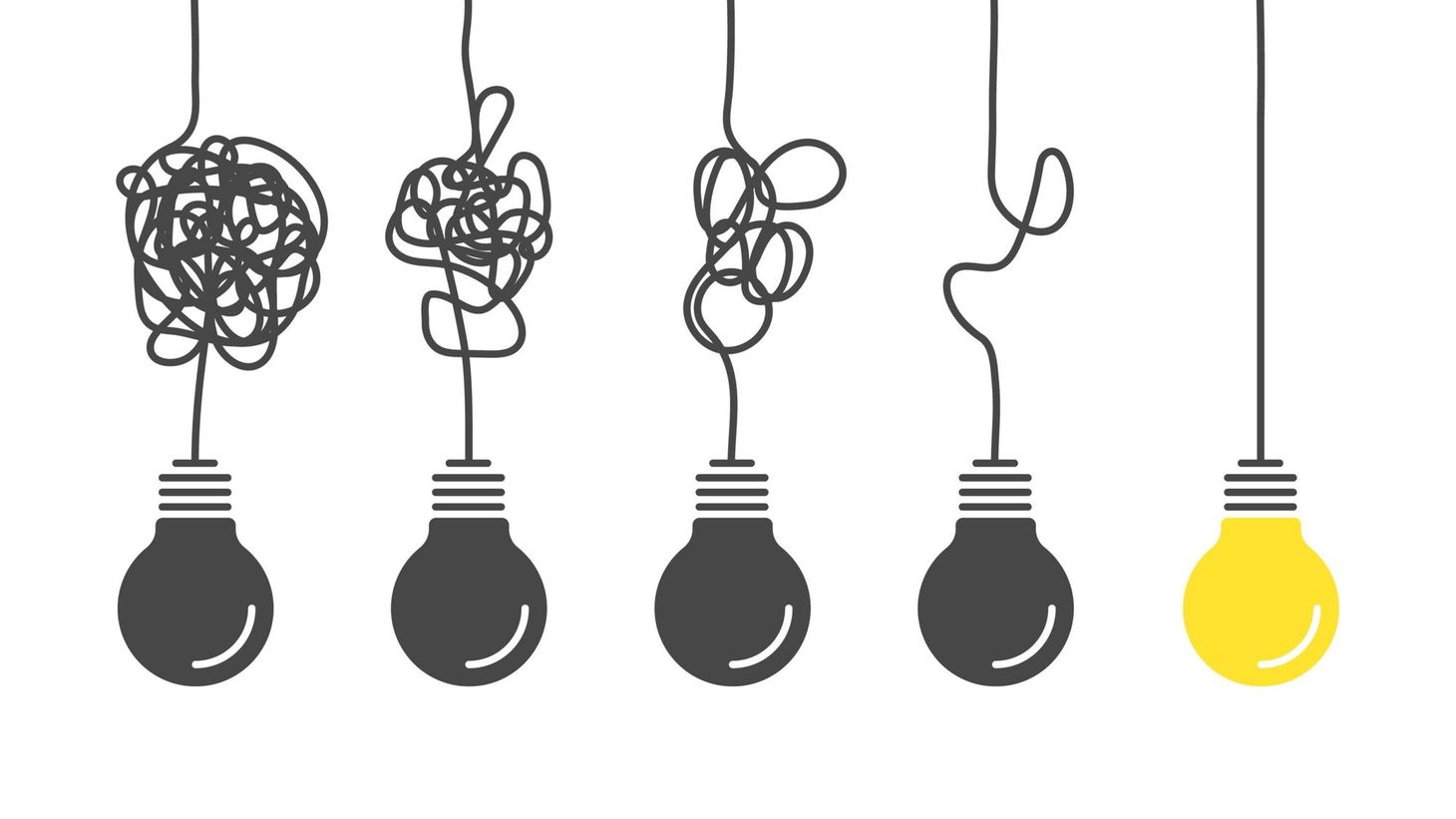
Why do innovators focus time and energy on developing solutions before they've identified the problem? Innovation starts by spending time to understand the problem before solving the problem.
If I had an hour to solve a problem, I'd spend 55 minutes thinking about the problem and five minutes thinking about solutions.
Albert Einstein
What Are Problems?
The dictionary defines the word problem as a state of discord or disharmony involving doubt, uncertainty, or difficulty. A problem is a question that prompts a solution or discussion until it's resolved.
An example of a problem most face is disharmony between their work and personal life.
Problems are a significant source of ideas that are a catalyst for innovation. Many inventors claim that a problem in their own lives was their inspiration. Problems lead us to new ways of seeing issues or situations, which is why it’s important not to think of them as bad but as a good thing that reveals opportunities.
Problems will always arise, but not every problem requires a solution.
What Are The Types Of Problems?
There are three different types of problems: solved, unsolved, and non-problems.
Solved: The first type is a problem that has been resolved. In order for something to be considered a solved problem, it must have a solution that is proven and is readily available. Some will say these problems have minimal opportunities for new solutions. Not true. There are many opportunities for solved problems to be innovated. For example, Google was not the first browser, but with business model innovations around advertising, it replaced entrenched solutions.
Unsolved: Problems that are unsolved will require a new solution that in many cases is beyond known knowledge, experience, and current state-of-the-art. An example of an unsolved problem is data breaches from hackers. As long as there are humans involved, there will always be a risk of hackers stealing data. Even if we had perfect security protocols in place, someone could still hack into the system. Thus this is unsolved. Unsolved problems offer a rich set of opportunities for innovation.
Non-Problems: Problems that are known as non-problems do not require a solution because they aren't really problems. An example of a non-problem is when people are using their phones in a movie theater. Some people might consider this to be a problem, but it's not really because there is no actual harm being done. The people are not making any noise, and they're not preventing anyone from seeing the movie. Another example of a non-problem is when people are driving exactly the speed limit. Some drivers might think that this is a problem, but it's not because there is no actual harm being done. The drivers are not putting anyone in danger. Innovation efforts on non-problems tend to become short-lived fads such as Chia Pets or Pet Rocks.
What type of problem should your team work on?
Selecting Problems Needing To Be Solved
Problems create demand for products and services through the identification of a need that isn't being met or an opportunity that can be exploited to make life easier or better.
Problems needing to be solved abound, but knowing where to start isn’t always obvious. It takes creativity and insight into human behavior to identify which problem deserves attention. Problems you should prioritize for innovation are those that provide the highest demand for products and services – with an identified market willing to pay for the solution.
Getting this right can result in fame, fortune, and success for those who take on the difficult challenges of creatively innovating a solution.
Summary
Problems are a part of everyday life, and they always will be. They can be annoying, frustrating, and downright depressing, but they also offer opportunities for greatness. In order for any organization to succeed, it is important to identify which problems need to be solved so you can prioritize your innovation efforts to address the needs of your customers and impact your business.
What problem are you focused on?