
The Impossible Project: Take something old and make it new again.
What if your best new business idea is simply a way to make an old idea new again? That is the question asked by the drivers behind The Impossible Project, a leap of faith effort to bring back analog instant photography invented by Polaroid. In 2008, Polaroid announced it would dismantle all product

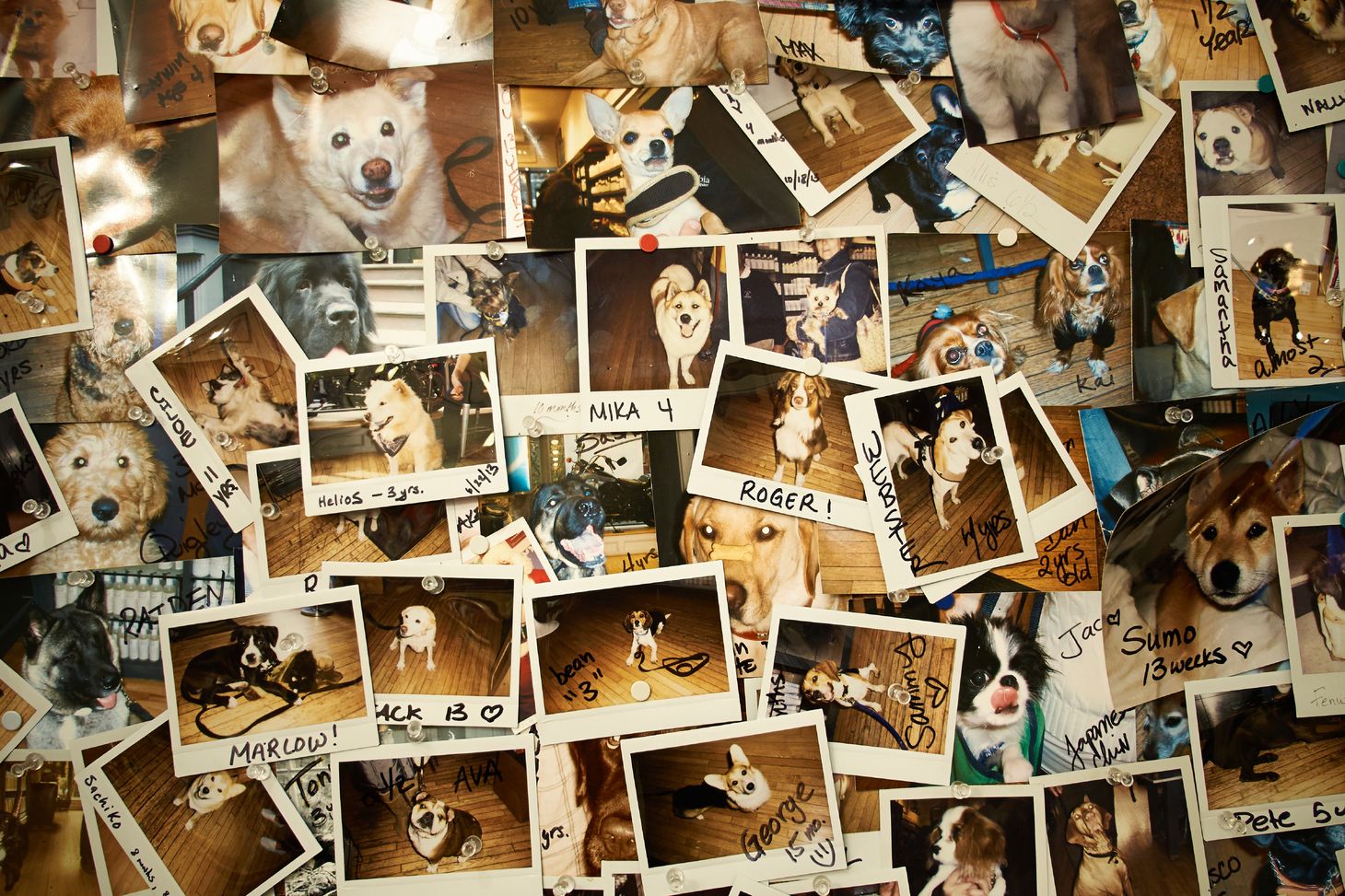
What if your best new business idea is simply a way to make an old idea new again? That is the question asked by the drivers behind The Impossible Project, a leap of faith effort to bring back analog instant photography invented by Polaroid.
In 2008, Polaroid announced it would dismantle all production of its instant film, thereby making its entire line of instant cameras completely obsolete. Relics. Analog camera enthusiast, Florian Kaps, and Polaroid employee, André Bosman, joined forces in a tremendous leap of faith. They purchased the last remaining Polaroid factory, sans the formulas and knowledge to produce the film, and vowed to figure it out.
The Impossible Project brought back instant photography invented by Polaroid. A backwards way to innovate
Phil McKinney
According to David Bias, vice president of Impossible America, when Kaps and Bosman bought the factory, it was actually impossible to make the film. All aspects of production had been dismantled. Polaroid color dyes were discontinued and unavailable for reproduction. It was, by all accounts, a backwards way to innovate–to start with production before having something to produce. But, Edwin Land, an inventor and co-founder of Polaroid, once said, “Don't undertake a project unless it is manifestly important and nearly impossible.” And so they embarked on this manifestly important and nearly impossible mission.
They assembled a team of ten former Polaroid employees and gave themselves one year. In that year, they conducted experiment after experiment until finally coming up with a formula and materials to recreate analog instant film. In 2010, they launched first a monochrome line of film (Silver Shade) and then color film (Color Shade). The Impossible company now offers a full range of films and classic cameras and operates service and project spaces in the Netherlands, Tokyo, New York, and Austria.
The Impossible Project was birthed from a few important questions:
- Can we make the old new again?
- Does old technology offer something that new technology lacks?
- Is this relevant today?
To each question they answered: Yes. What the founders behind this project might tell you is that analog instant photography is a way to preserve texture and variety in an increasingly smooth and homogeneous digital age. There is something about an instant photograph that can't be recaptured behind a digital screen. They weren't entirely sure reinvention was possible, but they made a leap to figure it out.
What old ideas would you love to make new again? I'd love to hear your stories.